Planning a 100-person outdoor event can feel like a big job at first. You have to think about space, weather, seating, food, power, and guest comfort all at once. The good news is that it gets much easier when you break it into small parts. A good outdoor event is not only about how it looks. It is also about safety, flow, and making sure people can eat, sit, talk, and move around without trouble. Whether you are hosting a birthday party, wedding, work event, school function, or family gathering, the same basic needs matter. When you prepare the right items early, your event runs better, and your guests feel cared for. A smart checklist will save time, lower stress, and help your event stay on track from start to finish.
Start With Guest Count and Event Goals
Before renting anything, decide what kind of event you are hosting and how people will use the space. A 100-person outdoor lunch needs a different setup than a 100-person evening party with music and dancing. Your guest count shapes almost every rental choice, from tent size to chair count to restroom planning. It is also smart to order a few extra seats and place settings, since last-minute changes happen often.
Use this basic starting list:
- 100 guests, plus 5 to 10 extra chairs
- Enough tables for dining, food, gifts, or check-in
- Covered space in case of sun or light rain
- Trash bins and clear walking paths
- A setup plan for eating, talking, and any activities
A simple site map helps a lot. Mark where guests enter, sit, eat, line up, and exit. For comfort, many planners allow about 10 to 15 square feet per seated guest, but more space is needed if you have buffet lines, a dance floor, or lounge seating.
Pick The Right Outdoor Site And Layout
The event site matters just as much as the rentals. A flat, open area makes setup easier and safer. If the ground slopes too much, tables and chairs may wobble, and tents may need extra work to stay level. Grass can work well, but soft or wet soil may affect tent stakes, high heels, and heavy furniture. Concrete or asphalt can be easier for walking, but those surfaces may need weights instead of stakes for tent support.
Check these site details early:
- Ground type: grass, gravel, dirt, concrete, or deck
- Access for delivery trucks and setup crews
- Distance to power and water sources
- Nearby trees, fences, poles, or low wires
- Drainage if rain shows up
Layout also affects guest comfort. Keep food service away from restrooms. Leave wide paths so people can move without crowding. Place high-use areas, like drink stations and trash bins, where guests can reach them fast. For 100 people, a clear flow helps prevent long lines and tight spaces.
Choose Tents For Shade, Wind, And Rain
A tent is often the first rental people think about for an outdoor event, and for good reason. It gives shade in hot weather and cover if a shower passes through. For 100 guests, the tent size depends on how the space will be used. A seated dinner with round tables needs more room than a standing cocktail event. If you want space for food stations, a DJ, or a small dance area, plan for that from the start.
Helpful tent facts to know:
- A tent for seated dining usually needs more square footage
- Pole tents need staking space around the edges
- Frame tents work better in tighter areas
- Sidewalls can help block wind or light rain
- Tent legs and ropes must stay clear of guest paths
Wind matters too. Tents should be secured with stakes or weighted systems based on the surface and weather. Never guess on tent anchoring. Ask about load needs, especially if you plan to hang lights. A backup weather plan is not extra. It is part of a smart event setup.
Plan Tables, Chairs, And Dining Flow
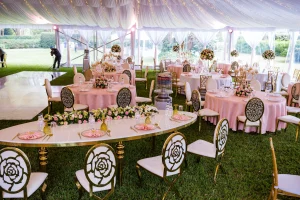
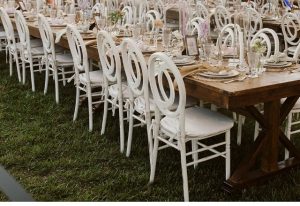
Seating is more than counting chairs. It is about making guests feel comfortable for the full event. For 100 people, you need enough seating for everyone, plus a few extras. If guests will eat, table spacing matters. People need room to pull out chairs, stand up, and walk between tables without bumping into others. Round tables often help conversation, while banquet tables can save space.
A useful seating checklist includes:
- Dining tables sized for your meal style
- Chairs for all guests and spare seats
- Buffet, cake, gift, and sign-in tables
- Linen sizes that fit each table type
- Space between tables for servers and guests
A common rule is not to overcrowd the floor plan. Eight to ten guests fit around many round tables, but the exact number depends on table diameter and chair size. If you serve food buffet-style, keep the buffet line away from seated tables. This lowers traffic jams and helps guests move more easily.
Set Power Lights And Sound Safely
Outdoor events often need more power than people expect. If you have food warmers, coffee makers, speakers, fans, string lights, or a DJ setup, your power plan must be clear. Do not wait until event day to think about outlets. Some outdoor spaces have limited electrical access, and long cords can create trip risks if not covered well.
Keep these power and lighting needs in mind:
- Count every item that needs power
- Check the total watt usage before setup day
- Use outdoor-rated extension cords and covers
- Keep cords away from wet ground when possible
- Light entry paths, dining areas, and restrooms
For evening events, lighting should do more than look nice. It should help people walk safely, read signs, and find seating. Warm overhead string lights work well for general glow, while focused lighting helps buffet tables and bars. Sound also needs planning. A speaker who is too weak gets lost in the open air. A speaker that is too loud can make conversation hard.
Add Food Service, Water, And Restrooms
Guests remember two things very well: whether they were comfortable and whether food service felt smooth. For 100 people, serving items matter just as much as the meal itself. You may need buffet tables, serving tools, drink dispensers, coolers, chafing dishes, or trash stations. Even a simple event needs a clear food service plan.
Make room for these needs:
- Food holding and serving tables
- Water station with cups and refill access
- Ice storage for drinks and cooling
- Plates, cups, napkins, and flatware
- Trash and recycling bins in more than one spot
Restrooms are also a key part of planning. If the site has indoor restrooms nearby, check whether they can handle 100 guests. If not, portable restroom rentals may be needed. Handwashing or sanitizer stations should be easy to find. If the event lasts several hours, water access becomes even more important, especially in warm weather. Small comfort details can change the whole guest experience.
Protect Your Guests With Signs, Timing, And Staff
A good event setup is not only about items. It is also about how the day runs. Signs, staff help, and a simple timeline make a big difference. Guests should know where to park, where to enter, where to sit, and where to find food or restrooms. Clear signs cut confusion and keep people moving in the right direction.
Focus on these final planning steps:
- Set a delivery and setup schedule
- Assign people for check-in or guest help
- Use signs for parking, entry, and restrooms
- Keep a weather watch before and during the event
- Have a cleanup plan before the event starts
Timing matters more than many people think. Rentals should arrive with enough time for setup and checks. Food should be timed so it stays safe to serve. If children or older guests are attending, shaded seating and easy paths matter even more. A calm event usually comes from simple planning done early, not last-minute fixes on the day itself.
Final Thoughts For A Smooth Outdoor Event
A 100-person outdoor event needs the right mix of shelter, seating, food service, lighting, power, and guest comfort. When each part is planned well, the whole day feels easier and more enjoyable for everyone. Start with your guest count, study the site, and build a setup that fits your event type and weather needs. For help with the main rentals, Primary Event Rentals offers tent, table & chair, table top, furniture set, event decor, and lighting rental services to support a clean and well-planned outdoor event