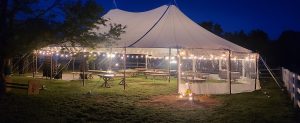
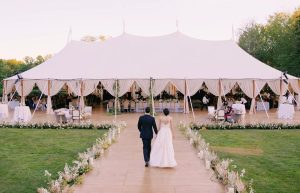
A wedding tent can turn an open field, ranch, backyard, or mountain venue into a beautiful place to celebrate. In Colorado, tent pricing can change a lot because weather, ground type, guest count, and location all affect the final cost. Some couples only need a basic tent for shade and light rain, while others need flooring, sidewalls, heaters, lighting, and power support for a full outdoor setup. That is why there is no single price that fits every wedding. The smartest way to plan is to understand what goes into the cost before you book. Once you know the main price drivers, it becomes much easier to set a budget, compare options, and choose a tent that fits your day without paying for things you do not need.
Main Wedding Tent Price Factors In Colorado
Wedding tent cost in Colorado usually starts with size, but many other details shape the full price. A small tent for a simple backyard event may cost far less than a large tent built for dinner, dancing, and weather cover at a mountain site. Most couples spend more when they have a larger guest list, need a longer rental time, or choose a venue with difficult access.
Important cost factors include:
- Guest count: More people need more square footage.
- Tent style: Pole tents, frame tents, and clear-span tents all price differently.
- Ground surface: Grass, gravel, dirt, asphalt, and uneven land may need different anchoring methods.
- Weather support: Sidewalls, heaters, fans, and weighted ballast may raise the price.
- Delivery distance: Remote Colorado venues often cost more because of travel and setup time.
- Setup complexity: Sloped land, tight spaces, and strict venue rules can increase labor.
In many cases, a basic tent rental may seem affordable at first, but the full event setup is what builds the real number. That is why couples should ask for an itemized quote instead of looking only at the base tent rate.
Average Tent Costs By Size And Style
In Colorado, a basic wedding tent may cost anywhere from about $1,500 to $10,000 or more, depending on size and style. A small frame tent for a modest guest list can stay near the lower end, while a large structure tent with sidewalls and flooring can move far above that range. The more formal the wedding setup, the more the final price usually grows.
Here is a simple way to think about tent types:
- Pole tents: Often cost less, but they need center poles and staking space.
- Frame tents: Good for tighter spaces because they do not need center poles.
- Clear-span or structure tents: Cost more, but offer a strong frame and open interior space.
A rough price range may look like this:
- 40 to 60 guests: around $1,000 to $2,500
- 75 to 125 guests: around $2,000 to $4,500
- 150 to 200 guests: around $4,000 to $8,000+
These numbers usually cover the tent itself, not the full event package. If you want a seated dinner, dance floor, buffet area, and bar inside the tent, the size may need to grow fast, and that pushes the budget higher, too.
Hidden Rental Costs Many Couples Often Miss
A lot of couples budget for the tent but forget the support items that make the space safe and usable. This is where many wedding budgets shift. In Colorado, the weather can change quickly, so many outdoor weddings need more than just overhead cover. Wind, cool evenings, and uneven ground can all lead to extra rental needs.
Common add-on costs may include:
- Sidewalls for wind, cold air, or rain
- Tent heaters for mountain or fall weddings
- Fans or cooling units for warm summer events
- Flooring or subfloor for uneven or soft ground
- Dance floor
- String lights, chandeliers, or uplighting
- Generator or power distribution
- Permit fees in some public or controlled spaces
- Extra labor for hard-to-reach venues
There is also technical work behind the setup. Tent crews check square footage, stake depth, wind load needs, and safe clearance from trees, fences, and power lines. A tent placed on hard ground may need water barrels or concrete weights instead of stakes. Those support steps protect guests, but they can add to the bill. A clear quote should explain each of these charges, so you are not surprised later.
Colorado Weather Changes The Tent Budget Fast
Colorado weather is one of the biggest reasons the cost of a tent can rise. A sunny morning can turn into wind, rain, or a cold evening by sunset. That means couples often rent more weather protection than they first expected. Even when the forecast looks good, planners still prepare for temperature swings and sudden storms.
Here are some weather-related needs that affect cost:
- Sidewalls help block wind and rain
- Heaters are often needed at higher elevations
- Tent weights or stronger anchoring may be needed in windy areas
- Rain gutters can connect tents if there are separate sections
- Flooring helps keep mud and moisture away from guest areas
Technical details matter here. Tent providers often think about wind resistance, drainage, and safe anchoring before setup begins. If the ground is wet or soft, installation may take longer. If the venue sits at a mountain site, transport time and crew labor may also increase. A cheap tent quote without weather planning may look good at first, but it can lead to stress if conditions change. In Colorado, good weather prep is part of smart spending.
Guest Count Shapes Space Needs And Price
Your guest count has a direct effect on tent size, layout, and rental cost. A wedding with 80 guests may fit comfortably under one tent, but a wedding with 180 guests may need a much larger setup or even separate covered areas for dining, dancing, catering, and lounge seating. More space means more materials, more labor, and more time for installation.
A simple layout guide looks like this:
- Standing event: less space per guest
- Seated dinner: more space per guest
- Dinner plus dance floor: even more space needed
- Bar, buffet, or stage area: extra square footage required
Many rental teams use square-foot planning to estimate tent size. For example, banquet seating usually needs more room than cocktail-style standing events. Round tables, service aisles, and chair spacing all matter. If your caterer needs prep space under cover, that also affects the footprint. Couples sometimes try to save money by choosing a smaller tent, but a crowded layout can make the event feel uncomfortable. It is better to choose a size that allows guests to move easily, especially if the weather forces everyone to stay under the tent for longer than planned.
Smart Ways To Save On Tent Rentals
You do not have to cut quality to keep your tent budget under control. The best way to save is to plan early, keep the layout simple, and rent only what your wedding truly needs. In many cases, changing the date, location, or guest count can lower the total more than removing useful support items.
Helpful ways to save include:
- Book early so you have more size and style options
- Choose one main tent instead of several smaller ones
- Use a venue with easy access for trucks and crew
- Keep guest count realistic
- Ask for bundled rentals like tables, chairs, and lighting
- Pick a season with milder weather when possible
- Use the natural setting well so you need fewer decor items
It also helps to ask smart questions. Find out what is included in the base rental, what setup method will be used, and whether the quote covers delivery, teardown, and weather gear. Ask if the company has handled weddings at your venue before. Experience at local sites can help avoid setup issues. Saving money should not mean skipping safety items. A stable, well-planned tent is worth more than a low quote that leaves out key parts.
Choosing The Right Tent Company For Value
The right rental company does more than drop off a tent. A good team helps you choose the right size, understand site needs, and prepare for Colorado weather. That kind of help can save money because it lowers the chance of ordering the wrong setup or missing something important.
When comparing tent rental companies, look for these points:
- Clear pricing
- Detailed item lists
- Site review or venue check
- Weather planning options
- Set up and teardown included
- Good communication
- Experience with weddings in Colorado
A quality quote should explain the tent type, dimensions, anchoring method, and rental period. It should also note whether extras like sidewalls, flooring, or lighting are optional or required. This kind of detail helps you compare companies fairly. The cheapest quote is not always the best value if it leaves out labor, delivery, or weather support. Good value means the price matches the service, safety, and setup quality you actually need for the event.
Final Thoughts On Colorado Wedding Tent Costs
Wedding tent costs in Colorado depend on size, style, guest count, weather needs, and venue access. A simple setup may stay close to a lower budget, while a full wedding structure with flooring, lighting, and climate support can cost much more. The key is to understand the full setup, not just the tent alone. For couples who want a clear quote and dependable service, Primary Event Rentals offers tent rental services that can help you plan an outdoor wedding with the right coverage, comfort, and support for your special day.